It began in 1977, at second-hand: I knew before I heard a note of it that I’d love Cecil Taylor’s music. In a jazz encyclopaedia I’d already read of a pianist “zipping and unzipping the keyboard” — but first contact came from a sideways leap out of bent chartpop. Across Bowie’s Aladdin Sane, Mike Garson’s cocktail piano clichés mutate towards cancerous splinters, which rock reviewer Charles Shaar Murray approvingly compared to Taylor. I needed to know more.
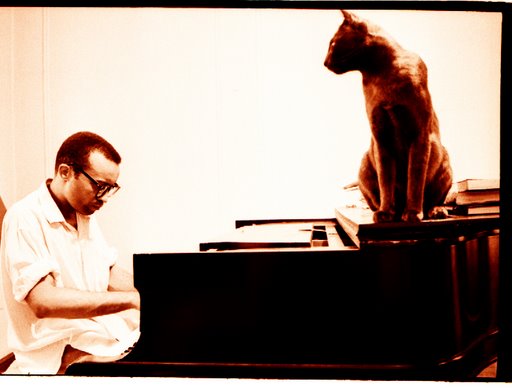
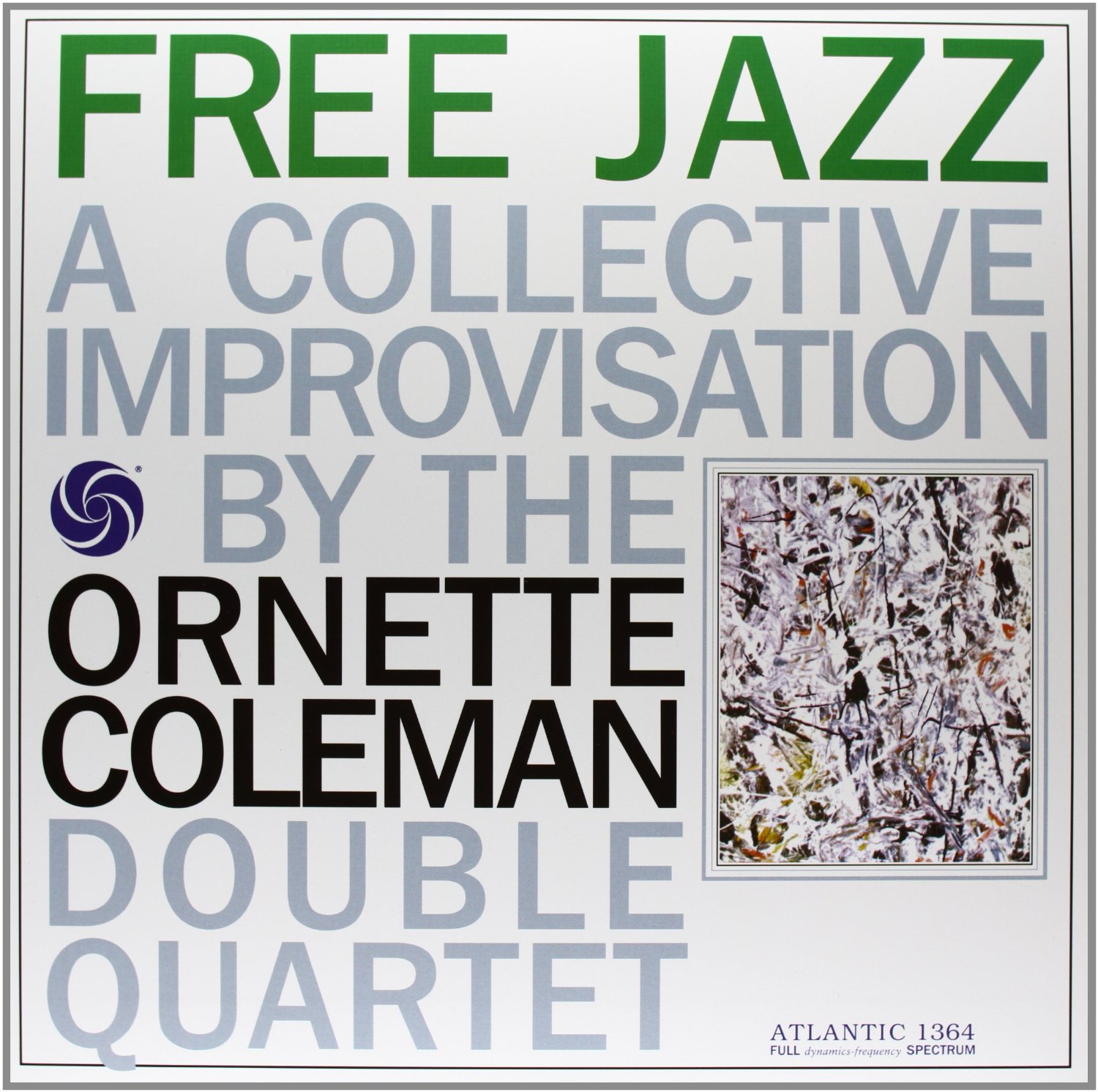
With other princes of the Utterly Out — Ornette, Coltrane, Beefheart — I was, I confess it, puzzled by how tame they seemed against the buzz of advance promo. But Cecil — on Black Lion/Freedom’s 1975 Silent Tongues, his 1974 Montreux Festival solo performance — did not disappoint. Perversely, far more subsequent time was spent addressing Coleman and the good Captain, battling to discover ways to hear their sound as deranged delight, learning tolerance for the well-meant overreactions of enthusiasts. And so my response to these others to this day sometimes seems suspect, post-fabricated out of a need to be wowed, or to seem weird; the pianoman, by contrast, I always knew I could trust, to swoop in, connect instantly, and transfigure. With Cecil, no need to fake it.
So I didn’t visit often, though I dallied with his less demanding children — Von Schlippenbach, Tippett, Crispell, Shipp — and all too soon I was taking him for granted. The affair turned second-hand again, and stalled. Modernism’s dirty secret: avant-garde work requires the survival of the order it first flared against, or its full radicalism no longer properly registers. Mind switched to low, just like those Black Cultural Nationalists who voiced concern about Taylor’s ‘European’ influences — because deep, deep beneath their political bluster, they doubted an African-American artform could wrestle white tradition and win — I projected my own baffled timidity, and even dismay, onto an oeuvre I was no longer regularly checking.
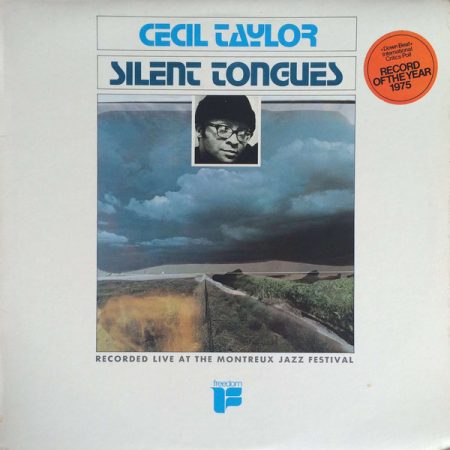
The counter-force epiphany for me came with a CD full of what Stefan Jaworzyn has described as “Teletubbies-style verbal gibberish”: Chinampas (Leo, 1987). At which point, things I’d known for years – but been too nervous to accept – came suddenly clear. Like so many sympathetic yet humour-free interviewers down the years, catching the edge of a Cecil tease but missed its meaning, I’d overlooked countless clues. The cover to Silent Tongues — featuring Cecil, winsome in glasses and woolly hat – I’ve now felt joy towards for some 20 years: in retrospect, the gulf between this absurdly cute sad-little-boy mugshot and the record itself expresses nothing if not irreverent glee. In the sleevenotes to Blue Note’s Unit Structures (1966), dry crypto-Darmstadt analysis mutates into cut-ups, and wicked Burroughsian war on grammar. On Soul Note’s small-orchestra set Winged Serpent (Sliding Quadrants) (1985), on A&M’s impishly superb In Florescence (1990), on Chinampas, Taylor invokes Aztec gods — gorgeous, jagged, murderous deities more outrageously unsuited to worship even than the much-bothered Egyptian pantheon. Their presence among the grunts, rumbles and oblique exclamations punctuating In Florescence suggest a musician whose absolute confidence in his work frees him to kid, to plant the worry that it’s a giant joke. Indeed, this is more than just flirtation — again and again he soars, eagle-god turned trickster gremlin, way out over the abyss of the possible put-on, and never more gloriously than with the high-fired aztèque concrète that makes up the piano-free Chinampas.
Of course, the ‘whitest’ concert-hall piano virtuosos – and the composers that encouraged them – have courted official unrespectability when they became too flamboyant, too romantically individual, too inhumanly extreme or unplayable, from Liszt to Xenakis, from robot-lover Nancarrow to Glenn übernerd Gould. But when piano-play turns into self-absorbed callisthenic work-outs, when the musician presents as some superfit but otherwise daffy street-person, mazed into his own asides, gestures and solo dances, when the compositions are like architectural design-brainstorm sessions for the living city-of-the-future, and this unlikely idiot-savant dervish is busily, dizzily solving every urban conundrum there could ever be, we may begin to realise why most orthodox Cecil-crit favours lulling solemnity. For art-fraud on so titanic a scale – so vastly vivid, so elaborately detailed, so whirlingly learned – is no less startling than the ‘straight’ work it seems to send up. Indeed, it’s far more staggering, and even scary, in its implications — what kind of madman devotes his entire life-energies to the merely unserious? For me, the only works in the avant-garde canon that match Taylor’s serene, omniscient cheek are Finnegans Wake, and Vexations, Satie’s vast day-long hymn to absolute simpleton repetition.
As it was, Coltrane, all bruised earnestness and cosmic quest, became the poster-child for the New Thing, the model for what ‘being taken seriously’ would come to mean. Nobility? Self-denial? Avant-garde transformation as a solemn, lonely, painful, search? Well, yes — yet a glance at the lives of most known questers (knights errant, polar explorers) reveals quests as monuments to anti-domestic panic, with most seekers fleeing as much personal duty as they’re pursuing. All across the slopes of art’s Everests, a great deal of immature selfishness continues to mistake itself for the austere sublime. Much celebrated (rightly celebrated), Coltrane’s natural grace of spirit and vast generosity served mostly to obscure (A) how little imitated this was in Cultural Nationalist circles, and (B) how repressed, repressive and reactionary the CultNat version of radicalism quickly became.
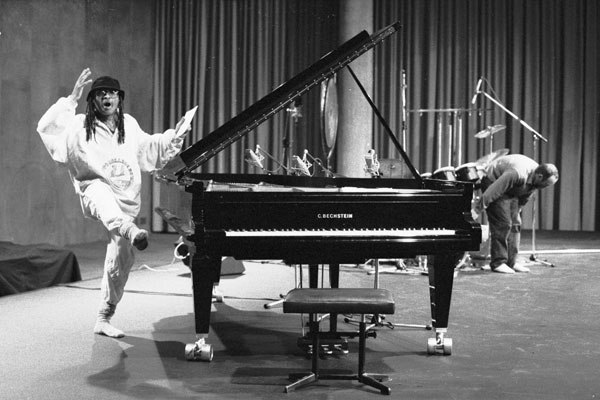
By temperament, Taylor had chosen Out before Ayler, Coltrane or even Coleman, playing free years before this became the term for the play, his example encouraging each of them to take similar steps. He was always already Out; it was always already Play. His work — in its mischief-making badboy totality — has from the outset been not a quest but a masque, wherein the daunting modernist massif and its pervasively silly, naughty, niggling parody coincide. I love this music because it makes me happy — and it makes me happy because it refuses to sidestep, to underrate or even to disrespect the tireless teasing perversity at the core of human behaviour, because even if it wanted to shill for pompous fraudulence, self-seriousness or fast-track fake enlightenment, it just couldn’t.
]]>… and we both agreed it’s bad and here’s why
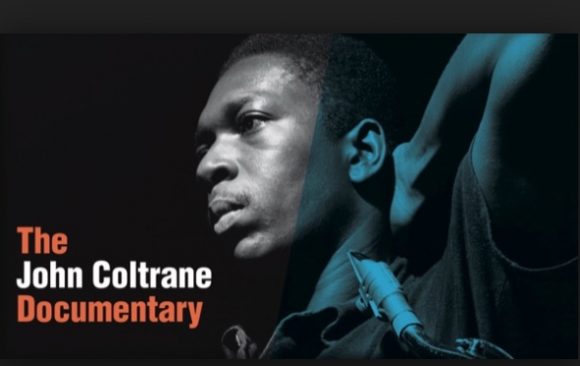 it does the usual documentary thing, of hunting out a bunch of talking heads — family, professional, the commentatative pundit — and then merely stitching them together with stills and live footage into the same version of the story we always already know… anything odd or interesting that pops out of someone’s mouth is not returned to or dwelt on or even apparently noticed
the shape it offers is utterly conventional: beginning times (where from, where first played); times with miles (interrupted by drugs); GIANT STEPS; break-up of marriage; A LOVE SUPREME; final tour of japan and sad early death
these mounting avant-garde milestones are all routinely invoked, but really no attempt is made to say what made them milestones — nearly a dozen musicians are present yabbing away, but nearly none of them say anything whatever about the changing content of the music, coltrane’s technique, his approach, what was concretely at stake in the choices being made, on-stage or in the studio. there was no glimpse AT ALL abt what it is that JC actually did, that was new to and impressed other musicians — or bothered them. wayne shorter for example, a shrewd and highly intelligent man (as well as player), is on-screen for a little. I interviewed him once and got him to talk abt the effect the arrival of the beatles had on the scene in c.1964: he was funny and interesting abt how much they divided jazzers, how some pricked their ears up and others just said “more nonsense from whitey”. we know that jazz in the early 60s wasn’t a collegiate love-in, anything but… but JC has undergone retrospective MLK-ification, and the fights and fears are forgotten in the haze of blissed-in pro forma sanctification
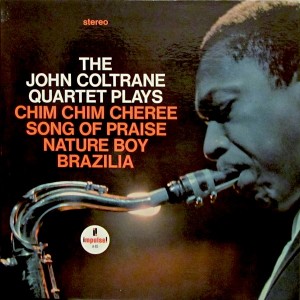 (i’m not really dissing shorter, sonny rollins, mccoy tyner, benny golson or jimmy heath here — the latter two, as perhaps not-stellar-musicians who were JC’s friends and colleagues in the early days, did give good backstage anecdote, even if mainly abt the junk-ambience everyone was battling with, and the first three were either asked dull questions or — as likely? — had their interesting answers consigned to the cutting-room floor)
(here’s who I am somewhat dissing however: carlos santana, wynton marsalis, cornel west, BILL fkn CLINTON)
(tho west clearly knows little abt music in the sense I’m thinking abt, and somewhat gave that away in a performance of twinkly down-with-the-streets bullshitting that was at least somewhat signalling that he knew this doc was trash and was playing along, for you to spot and the director not to)
(and santana and also john densmore were at least talking as fans responding to something on the way to their own music and sensibility: the former a notorious spiritual-hat guitarwank bore after his early records, the latter apparently a massive elvin jones nut as a teen)
(cue for santana, the claim — do I believe this, I am not sure — that when he’s on tour he “purifies” every hotel room by burning incense and playing the whole of a love supreme) (cue for densmore lots of stills of JIM MORRISON, surely coltrane’s purest equivalent in the rock universe)

(also there were some historian-biographers and some embarrassed-seeming family members, who obviously love their dad but feel somewhat squinky abt this tin-eared project — their dad who I am happy to continue to believe was an unusually lovely and generous man, especially for a working musician) (scope for an ingenious approach: present JC as the anti-miles, and deal w/their journeys in compare-contrast parallel)
so yes, i was hoping at least to learn something or see or hear something that that wd help inch me in a little past my long-term JC-sceptic status: I get that people adore him and that he is considered important, but this very highly important contribution that none of us can put into words bores me, I find his tone entirely unappealing, and ditto the fetishisation of granite-hard everests of effort in the journey, like some kind of saxophonic rich piana. PEOPLE ONLY EVER TALK LIKE THIS ABOUT HIM — or if they don’t, they either weren’t selected for this doc or the relevant passages ending up unused
and I have no yen to push back on ppl’s veneration (much), but NOBODY TALKS ABOUT HIM WELL and I wish that could change: huckster-pundits clinton west and WYNTON FKN MARSALIS worst offenders in this respect. until the peerlessly maddening moment — my friend and and I p much turned to each other and shouted #SMDH — when EINSTEIN no less was wheeled out to explain and explore what GENIUS is, what it does and and how it work, completely with equations and everything floating past in the edit-collage.
of course they didn’t actually deploy the equations in any coherent or speculative or provocatising way, but they DID display them. the publisher’s motto is: every equation included in a popular science-writing book halves the readership…
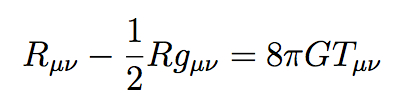 well, here we do get THIS —->> but nothing abt chords or scales or what gitler meant by “sheets of sound” or the west african sound of JC’s soprano in “naima”, or the various things (political, “spiritual”) that the search for FREE actually meant to ppl, to coltrane or to anyone else…
(minor side issue: has relativity special or general even been used intelligibly to illuminate music? I think likely NO: i’d kind of love to see it pulled off somewhere, if only in the form of trolling, but — as an actual semi-credentialed mathematician w/a degree and everything, this was just halfwit piffle)
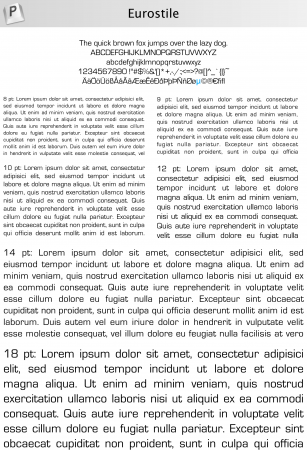 in general — and the einstein moment entirely fits here — the interstitial work was just lazy garbage. it was an era of strong photography, so it could hardly help looking OK from the stills angle, despite very few pictures you hadn’t seen 30 times before (and every photo was panned and zoomed in the same dull way): some of the live footage was genuinely new (at least to me; tho I very much doubt to an actual hard-seeking fan). it rested a lot too on some (I thought) quite bad mystical afro-futurist art as the backdrop point of rest. whenever they recreated a newspaper splash w/headline and photo, if you looked carefully you could see that the paragraphs of text too small to read were ALL just lorem ipsum fkn dolor, which wtf you half-measures cheapskates (obviously the recent TSwift hommage to same was witty and cheeky in comparison)
(scope for a second ingenious approach: shape the whole thing round lorem ipsum dolor, and the idea that the blow-the-top-of-yr-head-off playing of ascension is designed — lol like metal machine music — to reach a plateau of buzzing calm… )
and a final bad decision: denzel washington reading as coltrane’s actual voice, which just took away any quirky sense of the man himself and replaced it with humbug hollywood gravitas
(tbf this^^^ is a super-tough ask for any actor I think: but I’d almost have preferred — since we’re anyway in wynton-propinquity — something more outrageously ken burnsy as a v/o. something that gave a sense of past times and lost sensibilities: a courteous gentlemanly black north carolinan at sea in the turbulent city) (one of the takeaways from the stream of stills is how melancholy and also how gawky he often looked; his ungainly country-boy goofiness: he was no dapper hipster, quite the opposite)
so the move ppl use to dodge talking abt the music is donning the spiritual hat by proxy: and then — having invoked spirituality — say nothing whatever about it, what it means, how coltrane deployed it (as mask, as weapon, as balm, as what the fuck ever). closest to achieving actual concrete comment is sonny rollins, gnomic as ever and resplendent in an amazing crimson suit: for a start he substitutes the word “celestial” for the word “spiritual”, and does so in a context that implies the JC’s self-constructed pan-faith religiosity was a way to step away — away away far far away — from planet earth’s grief and crimes and conflict, and explore how to see and sketch and perhaps fashion shared samenesses among the belief-systems and cultural sonics of the many warring clans. “the big picture,” rollins calls it, simply and directly enough: and of course the doc sweeps past this and makes no connections, and hints at no sense that they just heard what they heard…
 of course the word celestial (as slyboots rollins well knows) takes us to the jazz einstein who could (IMO) crack open all these issues, but we sweep past him entirely: this would be sun ra, whose chief sideman john gilmore is said to have inspired JC to exclaim “he’s got it! John’s got the concept!” ra is dead and so is gilmore, but marshall allen is (at time of posting) still alive and well and active!! why not get him in front of the camera? this film is after all clumsily named for a piece inspired by gilmore’s sound. “space music is an introductory prelude to the sound of greater infinity,” says ra. “it is a order of sounds synchronised to the different order of being”
yes this is opaque and riddling — hallo and welcome to the heliocentric worlds! — but ra’s sense of vaster hierarchies or orders and layered geometries as a recalibration of mere mundane perspective is at least a well enough trod approach to see coltrane’s journey somewhat from a side elevation: and ra’s bleak pessimism is also a help I think. instead of the somewhat numbing glad-hand positivity of (allegedly) achieved lovely oneness — which is what I’m most allergic to in the backward-looking coltrane discourse — there’s SR’s often-stated belief that the human race haven’t got the concept and won’t get it and it’s already after the end of the world, brother. i don’t believe JC believed this — or anyway couldn’t bear to concede it to himself — and all of his sound is a FIGHT against it, on the exact same battle, and a fight (I assume) against the elements in himself which were drawn to ra’s scornful (and invigorating) anti-humanism.

instead of course we get wynton, riding the reverence trane with total chutzpah, given his known views on free: and — despite his endless ability to grab up his horn and demonstrate the rhythms of a king oliver joint — again saying nothing (good OR bad) abt the musical choices trane was making [EDIT: no, he says that the earliest recording of trane’s playing, from the late 40s, while he was still in the army i think, demonstrates he couldn’t really play yet — but we’re just supposed to be able to hear why they’re saying so, nobody stops to say “this bit is why it’s bad”]. It somewhat occurred to me to wonder whether his condition of involvement was the non-discussion of ra (who his mentor stanley crouch has dismissed as a pure charlatan). at least — speaking of charlatans, or anyway trickster-figures enjoying playing them on TV — cornel west has the grace to say of ASCENSION that he has no idea what the fuck is going on, but he’s happy to be long for the ride bcz no doubt one day he will (in other words, I’m kinda glad someone voice this sentiment and that it was someone embracing it not denouncing it) (I might as well say here that west is someone I’m super-ambivalent about, as observer and as troll)
(plus I quite like imagining how grumpy CW probably was at the screening to find himself alongside fellow huckster-pundit clinton, doing his own — different but equal — version of a similar hustle for would-be-woke but unwakaeble northern urban whitey)
so anyway it ends in a crazily aggravating place which (A) exactly — if timidly — approaches the pan-cultural sense of mourning and bearing witness, JC in japan on his final tour, visiting the temples at hiroshima and so on: and hunting for a celestial language that translates the feels and the meaning of this for him to lie interweaved with every other mode cultural expression, and then (B) inflects the entire story through the self-regarding narrative of an insane japanese collector-fan who lives in a room that’s a cave-shrine to the commodity god coltrane, just jam-packed with every single gatherable object. the fact of this guy at all is a tell; a symptom: except he of all people is the worst person to be telling it
(i mean, imaginably not: he might have had insightful perspective, it’s just that he very evidently — after just a few moments in his presence — doesn’t. meanwhile we’re watching JC touring and already — tho it’s not clear if he knows it yet — mortally ill: which is simultaneously moving and maddening)
two last points (good moments thrown away):
• there was a colour shoot from the early 60s I’d never seen before where the photographer had directed him to look about in portentous male-model style in some backstage space full of ropes and ladders, which made me grin, bcz you can see his ugh-this-is-dumb look as he does it (this may be why the pictures aren’t well known of course)
• the tale of trane and miles feels thrice-told and yet the evident interesting friction of it feels to me endless sidestepped and elided: so of course the “how do you stop? just take the horn our of your mouth!” story is trotted out, but of course it’s also referred to as joke and in-studio banter, miles being incrutable his non-corny self, and not at all explored as an actual real aesthetic flashpoint between the two. there’s even revealing live 1959 footage of miles side of stage while trane solos in (apt title) “so what” and you can absolutely tell he’s thinking GET ON WITH IT JOHN
(originally created on THIS ILX POST. cross-posted at freaky trigger)
]]> ]]>
]]>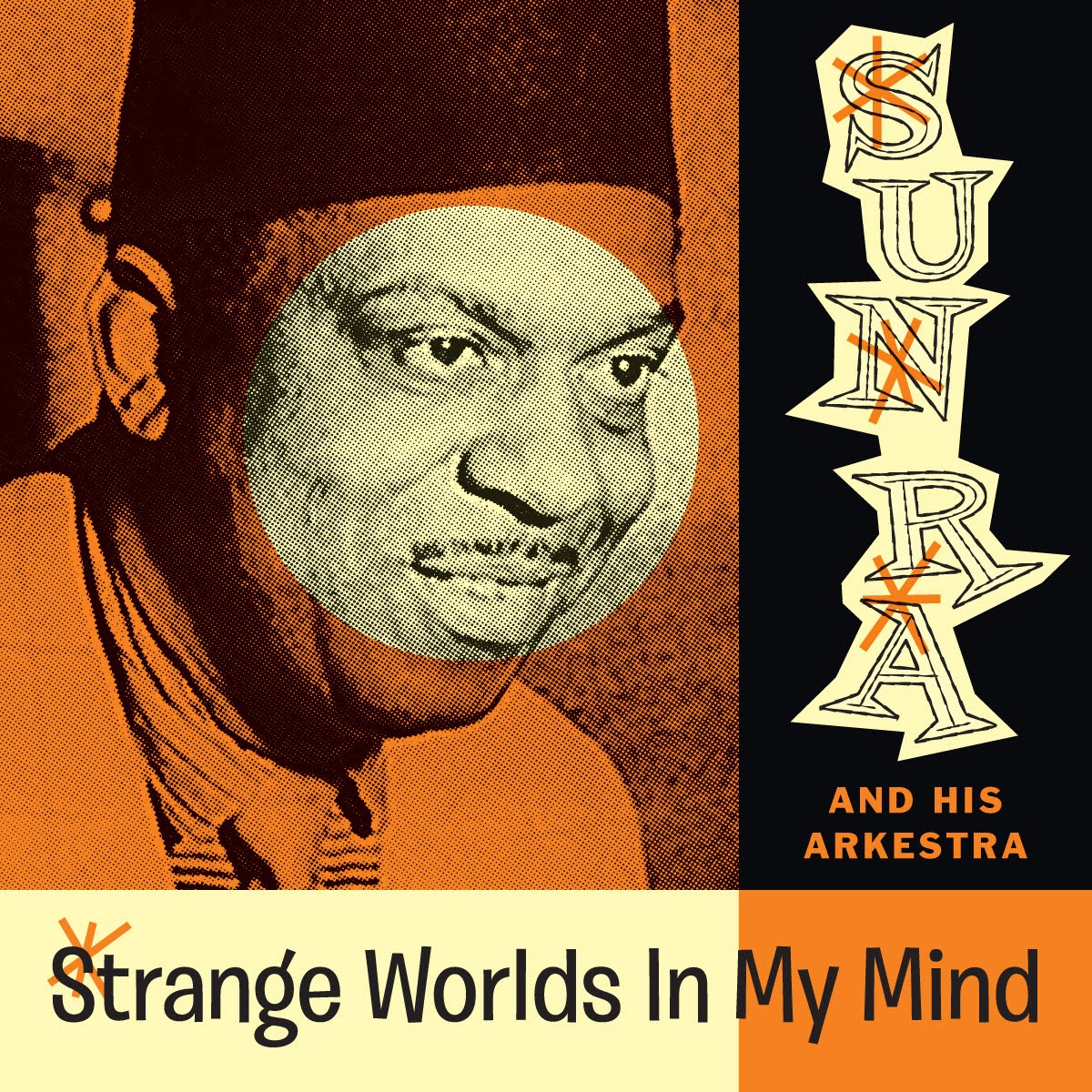 In 1989, I was flown to Germantown in Phildelphia to interview Sun Ra (for The Face). Ra is long gone now, and so’s The Face: and while a couple of longish quotes of the interview ended up in the piece about Black Science Fiction I wrote in The Wire just before I became editor, there was a lot of the (quite one-sided!) conversation that ended up on the cutting-room floor. A while back, Conor Gillies of WBUR in Boston, MA, got in touch to tell me about a new series he was helping work on — it sounded my kind of thing but I was super-busy and the only thing I could think might fit one of their projects was to send them the audio for the Sun Ra interview. I’ve been lamentably slow to publicise this — still super-busy is my only excuse — but the series, Stylus, has already started: you can hear Ra towards the end of this ep.
]]>
In 1989, I was flown to Germantown in Phildelphia to interview Sun Ra (for The Face). Ra is long gone now, and so’s The Face: and while a couple of longish quotes of the interview ended up in the piece about Black Science Fiction I wrote in The Wire just before I became editor, there was a lot of the (quite one-sided!) conversation that ended up on the cutting-room floor. A while back, Conor Gillies of WBUR in Boston, MA, got in touch to tell me about a new series he was helping work on — it sounded my kind of thing but I was super-busy and the only thing I could think might fit one of their projects was to send them the audio for the Sun Ra interview. I’ve been lamentably slow to publicise this — still super-busy is my only excuse — but the series, Stylus, has already started: you can hear Ra towards the end of this ep.
]]>